Typical job
Bites showing up after sleeping in the
The owner gets a clear scope and price before committing, and knows how to prepare the room so the treatment reaches every hiding spot.
Pest Control · Sugar Grove, IL
Sugar Grove sits inland from the Lake Michigan shoreline, which means wider temperature swings than you get closer to Chicago and that swing drives pest pressure. We plan treatments around it.
Humid summers push mosquitoes, ants, and termites into yards along IL 47, while cold winters send mice and rats toward the warmth of basements and wall voids in the large-lot homes and newer subdivisions off Route 30. Our team covers every address in 60554, from farmhouse properties out by Aurora Municipal Airport to brick-and-vinyl homes near Kaneland High School and the Sugar Grove Public Library. Spring rainfall can flood basements and crawl spaces here, and heavy rain often displaces ant colonies straight into kitchens we see both every year. Four distinct seasons mean no single treatment plan works year-round. We inspect first, explain what we found in plain language, and set a schedule matched to what your property actually faces. Call (855) 681-0299 and we will route a licensed technician to your Sugar Grove home.
Who actually shows up when a wasp nest appears under your eave or mice get into the pantry?
This town’s mix of property types shapes the work. Winter freeze-thaw cycles can open foundation cracks in the concrete basements common across Sugar Grove’s subdivisions, and those hairline openings are enough for mice. Summer humidity near Sugar Grove Memorial Park and the tree-lined lots around Sugar Grove City Hall keeps ant and mosquito pressure high through August.
We are a locally rooted crew operating across Illinois, with dispatch that routes a Sugar Grove technician to your door not a call center three counties away. Expect a scheduled inspection, a written explanation of what we found, and a treatment plan with clear follow-up dates.
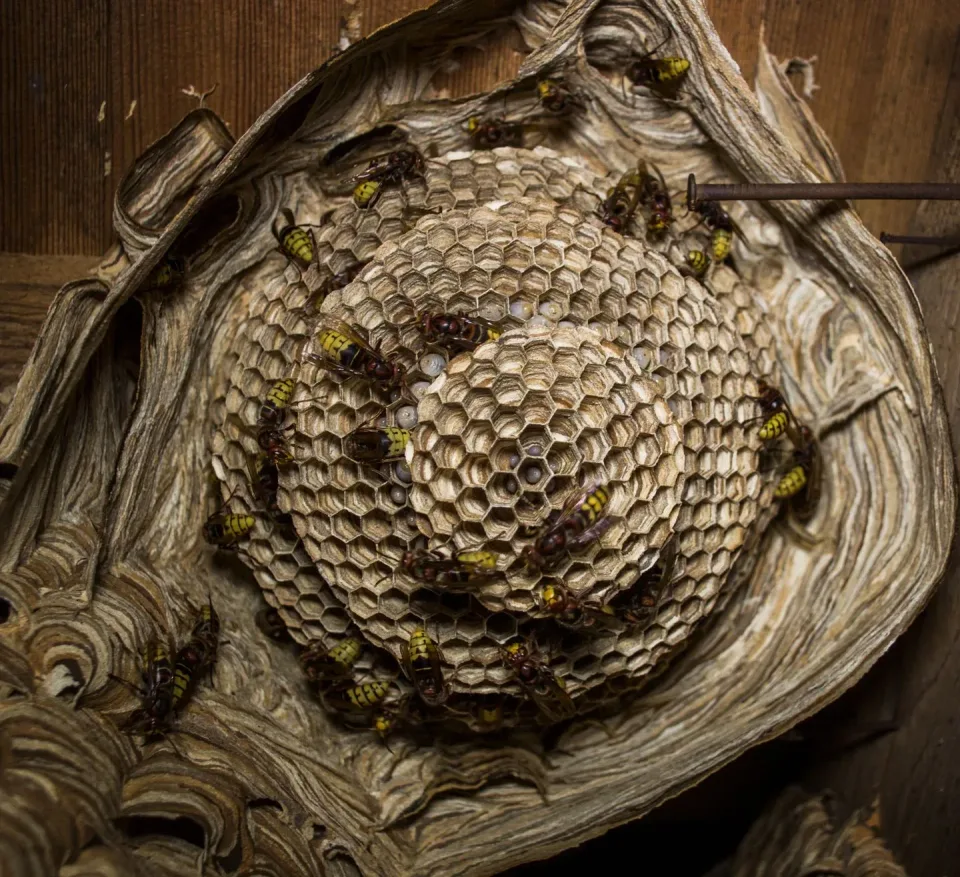
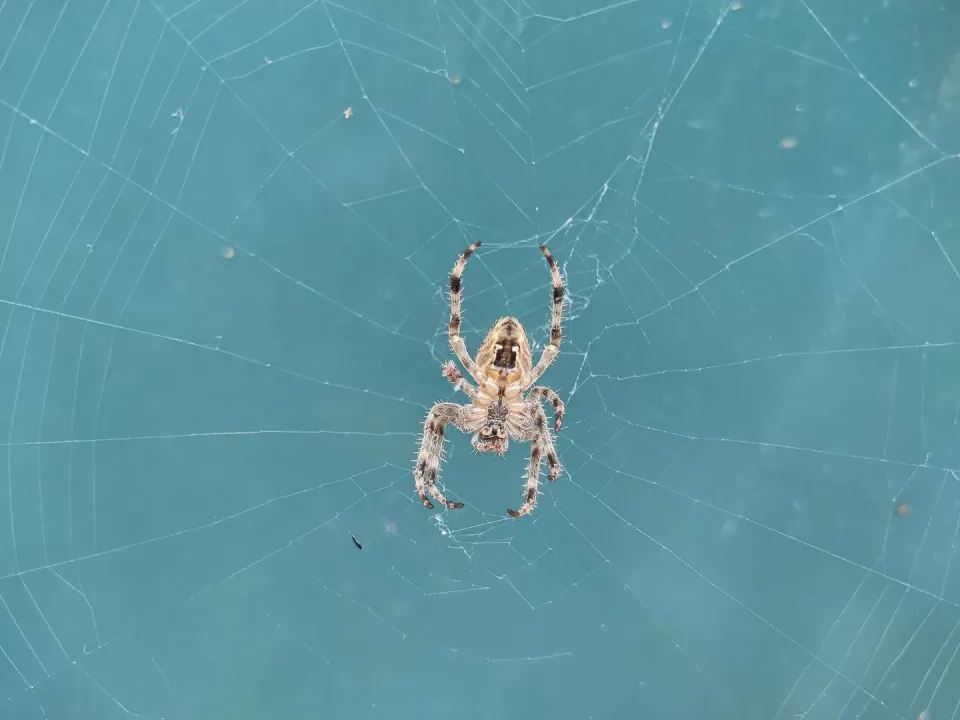
Three call types dominate our Sugar Grove schedule, and each traces back to local weather. Severe spring thunderstorms can damage screens and roof openings, which is how yellowjackets and spiders get into attics we repair the entry point, not just the insects. Winter snow cover can conceal rodent access points along foundations, so a mouse trail that disappears under the snowline in December is still active in January.
The third pattern is moisture. Spring rainfall can flood basements and crawl spaces in Sugar Grove’s concrete-foundation homes, and persistent humidity afterward keeps those spaces damp enough to attract carpenter ants and crickets.
What we handle most often:
Sugar Grove’s open ground changes how we work. Homes near Aurora Municipal Airport and the farm fields west of Kaneland High School sit on large lots with fewer neighbors to interrupt pest travel field mice, stink bugs, and cluster flies move in from agricultural surroundings each fall without a buffer.
Cold winters drive rodents indoors for warmth, and we respond with exclusion work: sealing gaps with 1/4-inch hardware cloth, door sweeps, and sealed utility penetrations. Severe windstorms can damage building envelopes here torn soffit panels and lifted shingles become entry points within weeks if nobody checks.
First, walk the foundation each spring after freeze-thaw cycles and note any new crack wider than a pencil line. Second, keep the grade and mulch pulled back from siding, because trapped moisture against brick and vinyl exteriors invites carpenter ants.
Pest control in Sugar Grove is regulated at the state level, not by village ordinance. Hiring an unlicensed operator puts the liability on you misapplied pesticide is a violation, not a bargain.
Our credentials are verifiable.
Behind the scenes, federal rules shape our work too. OSHA hazard communication requirements govern how we label and store products on the truck, and RCRA rules dictate how we dispose of any hazardous pesticide waste nothing gets dumped in a Sugar Grove storm drain or trash bin.
Ask any company you call for their license number. We provide ours with every written estimate.
Why us
Sugar Grove homeowners call us because we inspect first, explain what we find, and treat only what needs treating.
We confirm the pest species before selecting any treatment. Guessing wastes your money and lets the real problem keep growing behind walls, in basements, or along the foundation where you can't see it.
That local knowledge shapes how we inspect and what treatment plan we recommend for your property.
Technicians explain findings on site, tell you how to prepare for treatment, and outline any follow-up steps before leaving. You know what was done, where, and what to watch for after we go.
Our process
Every job follows the same straightforward path from first call to finished treatment.
You call or book online and tell us what you're seeing, where, and for how long. We ask about pets, children, and any recent pesticide applications so the visit is planned safely.
A technician inspects basements, crawlspaces, wall edges, and the areas you reported. We confirm the pest species before recommending anything, and you get the findings explained in plain terms.
We lay out the treatment options, what each covers, and any follow-up visits needed.
We treat the confirmed areas, following pesticide label directions and re-entry intervals. Findings, treatment locations, and follow-up needs are documented, and we walk you through next steps before leaving.
Warning signs
Mud tubes along basement foundation walls are a classic subterranean termite sign. The tubes shelter termites moving between soil and wood. Break one open carefully or leave it and call for an inspection before damage spreads.
Wood that sounds hollow when tapped near window frames suggests termites or carpenter ants eating or tunneling inside. The surface can look intact while the interior is damaged, so have it checked promptly.
Scratching sounds inside attic ceilings usually point to rodents moving between nesting spots, often after dark. The noise tends to get louder as the population grows, so early inspection keeps the problem smaller.
Through the year
Spring
Spring is also when termites swarm, so it's a smart time to check foundations for mud tubes and schedule an inspection.
Summer
Warm weather brings wasp and hornet nests to full size on eaves, branches, and play structures. Mosquitoes breed in standing water after storms. Treatments work best while nests are active and colonies are still growing.
Fall
Cooling nights send mice, spiders, and boxelder bugs looking for winter shelter in wall voids and attics. Sealing and treating entry points in fall prevents the indoor activity that otherwise shows up all winter.
Winter
Freeze-thaw cycles crack foundations and push rodents indoors where they nest in wall voids and pantries.
Before you hire
Illinois requires commercial pesticide applicator licensing through the Department of Agriculture.
Knowing the schedule up front tells you how much time and disruption to plan for.
Understand whether the work is a one-time treatment or an ongoing plan, what triggers a return visit, and how cancellations work before you sign anything.
Call to talk through your job in Sugar Grove.
11+
Years serving Sugar Grove
85
Areas served
Straight answers for customers in Sugar Grove on pricing, delivery, and scheduling.
Mice in winter, ants after spring rain, and mosquitoes and wasps through the humid summer months. Stink bugs also move indoors each fall when temperatures drop.
Pest Control covers every ZIP code in Sugar Grove, IL.
Illinois Pest Pros
"Practical Pest Control Across Illinois"
I started in pest control working in homes and businesses around Oak Brook, where I learned how basements, older wood framing, and changing Midwest seasons shape pest problems. I built this company to bring careful inspections and clear treatment plans to customers throughout Illinois, from termite and rodent issues to seasonal mosquitoes and wasps.
Share job details below or call our team directly. Phone: (855) 681-0299
Pest Control is also available in these nearby communities.