Typical job
An owner reports bed bugs in an
A technician inspects to confirm the pest and assess the property before discussing a heat-treatment estimate. The owner gets findings and a clearer sense of the treatment scope to consider.

Pest Control · Homewood, IL
Homewood’s historic brick houses and basement foundations call for pest checks that account for the building, not just the bug. Alongside the Homewood-Flossmoor High School area, our crew sees how small gaps and damp lower levels can shape a pest visit.
Homewood has four distinct seasons, so the pest pressure shifts through the year; a plan that fits a summer ant issue may not address a winter rodent entry point. Freeze-thaw cycles can open foundation cracks, giving pests a route into basements that homeowners may not notice until they inspect the wall line. We inspect first, explain what we find, and recommend treatment based on the pest and access to the affected area. Our team handles pest concerns in Stonebridge and around Homewood’s historic residential districts, with scheduling arranged for the property and the work required.
Homewood’s warm, snowy winters make seasonal pest planning practical, and the Homewood Public Library is one familiar local reference point for residents.
Heavy rain can push ants indoors, so we look for the route they are using rather than treating a trail without checking its source. Humid summers can raise activity from mosquitoes, ants, and termites; homeowners can help by noting where activity appears and when it started.
We schedule visits for Homewood homes and businesses, explain findings in plain language, and set expectations for treatment and follow-up. You can call (855) 681-0299 to discuss the property and arrange a visit.
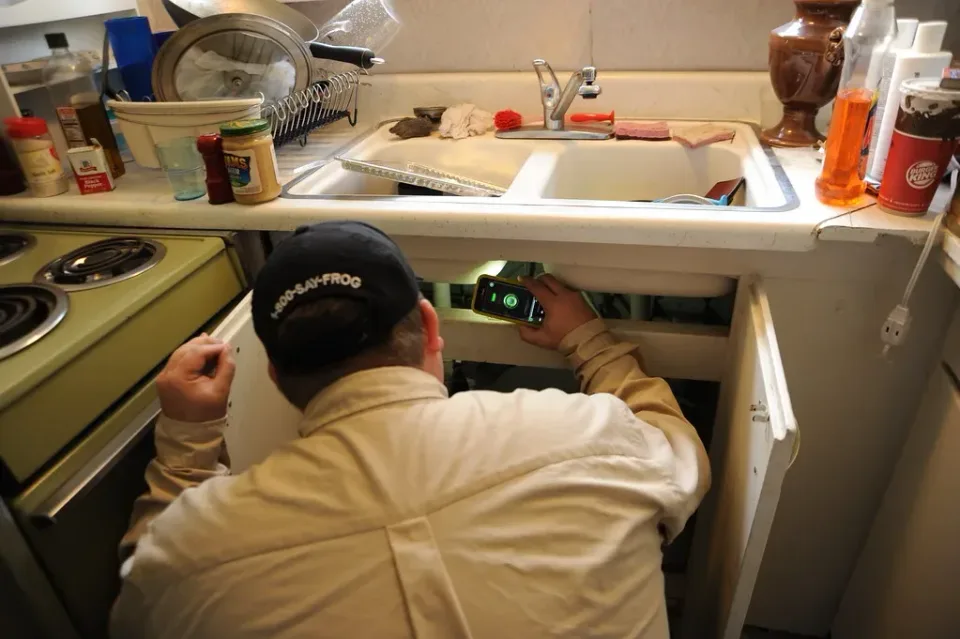
You can safely look for droppings behind appliances without moving heavy equipment; we use what you find to guide Rodent Control and exclusion work.
Hot weather can bring more cockroach activity indoors. If one appears after a light comes on, note the room and time; our Cockroach Extermination work starts by checking likely harborage and access points. Keep it simple.
Spring rainfall can flood basements and crawl spaces, which can complicate inspection and treatment access. Our team checks the affected area and explains the next step; Homewood customers in ZIP code 60430 can call (855) 681-0299 to arrange service.
Our crew checks accessible exterior points before recommending treatment, including for homes near Homewood City Hall.
Leaf litter and damp mulch can harbor ticks and insects. We can assess the yard and discuss Tick Control when activity persists.
FIFRA requires pesticide use to follow label directions, so our team selects and applies products according to their labeled use. If you notice storm damage or repeat pest activity near your Homewood property, we can inspect and explain the options.
We confirm the pest species before choosing treatment. That step matters because a product or method suited to one pest may be a poor fit for another. FIFRA requires pesticide labels to be followed, including directions for use, so we explain the relevant instructions before application.
For a Homewood property near Homewood Historical Society Museum, we document findings and discuss the proposed work before proceeding. Skipping species identification or label directions can lead to ineffective or inappropriate treatment. Call our team to review the inspection and next steps.
Why us
Illinois Pest Pros pairs careful inspections with clear treatment plans for Homewood properties.
Technicians explain inspection findings, treatment locations, and follow-up needs before leaving the job site. You can understand the proposed scope and prepare for treatment without guessing what the service includes.
The team coordinates inspection and treatment visits across Illinois, matching schedules and service plans to each property and pest concern.
Our process
Each visit moves from understanding the concern to explaining findings and any follow-up needs.
You describe the pest concern and disclose any recent pesticide applications. The team can use those details to coordinate a visit and note relevant treatment history before inspecting.
A technician checks accessible areas related to the concern and works to confirm the pest species. You receive findings that help explain what is present and where activity was observed.
The technician outlines the proposed treatment and its locations, along with preparation needs and the stated re-entry interval. You can ask questions and know what to expect before work begins.
The crew follows pesticide label directions, documents findings and treatment locations, and explains any follow-up needs. You leave with a record of the work and practical guidance for next steps.
Warning signs
Hollow-sounding wood near window frames may be a sign of termite damage. Note which areas sound different and share that information during an inspection, so the technician can focus on the affected framing.
Ant trails around a sink or pantry can point to an accessible food or water source. Keep the area clear enough to observe where ants travel, and note where the trail begins or disappears.
Cockroaches appearing after lights turn on can indicate activity in nearby hiding places. Keep track of the rooms where they appear and avoid moving items that could conceal additional signs before an inspection.
Through the year
Spring
An inspection can help identify activity around basements, wall edges, and other accessible parts of the property.
Summer
Warm, humid conditions can make outdoor pest activity more noticeable near homes and entry points. A technician can assess the pest concern and explain treatment options suited to the property.
Fall
Checking accessible basements, crawlspaces, and wall edges can help identify activity and clarify whether treatment or follow-up is appropriate.
Winter
Homewood winters can bring snow and shifting temperatures, while heated interiors offer shelter from the cold. An inspection can assess indoor pest concerns and document findings even when outdoor access is limited.
Before you hire
Illinois commercial pesticide applicator licensing is a useful point to verify before hiring. Ask who will perform the work and whether their credentials match the service being discussed, especially when pesticide treatment is part of the plan.
Ask what areas will be inspected or treated, what findings will be documented, and whether follow-up needs are included in the plan. A specific scope helps you compare proposals and understand what the visit is meant to address.
Ask whether the service requires an ongoing agreement, what it covers, and how follow-up visits are handled. Reviewing those terms in advance helps you understand your responsibilities and what to expect after the initial work.
Call to talk through your job in Homewood.
11+
Years serving Homewood
141
Areas served
Straight answers for customers in Homewood on pricing, delivery, and scheduling.
Avoid breaking or covering the tubes before an inspection. Note where they appear and whether they continue along the foundation; our team can inspect the area and explain whether treatment is needed.
Yes. Look along accessible foundation edges and behind kitchen appliances for droppings or visible gaps; avoid moving heavy appliances or disturbing suspected nesting material. Share what you find when arranging an inspection.
Pest Control covers every ZIP code in Homewood, IL.
Illinois Pest Pros
"Practical Pest Control Across Illinois"
I started in pest control working in homes and businesses around Oak Brook, where I learned how basements, older wood framing, and changing Midwest seasons shape pest problems. I built this company to bring careful inspections and clear treatment plans to customers throughout Illinois, from termite and rodent issues to seasonal mosquitoes and wasps.
Share job details below or call our team directly. Phone: (855) 681-0299
Pest Control is also available in these nearby communities.