Typical job
A landlord finds bed bugs in a
The owner gets a written scope for the heat treatment and knows what preparation the unit needs before the crew returns to treat.
Pest Control · Winthrop Harbor, IL
Winter shoreline winds off Lake Michigan push rodents toward warm walls every November, and homes in Tobin and State Line feel it first when snow hides the gaps along their foundations.
Four distinct seasons keep pest pressure moving here mosquitoes and ants build through humid summers, then mice and stink bugs head indoors as temperatures drop. Leaf litter and damp mulch around Lake County yards harbor ticks and insects well into fall, which is why we inspect the whole property before recommending any treatment. Our team has worked this village for over a decade, from lake-area cottages near the North Point Marina docks to postwar ranch houses off Sheridan Road. We handle rodent exclusion, ant control, cockroach extermination, termite inspection, and bed bug treatment across the 60096 ZIP code, and every plan is explained in plain language before work begins. Expect a scheduled arrival window, a written findings summary, and follow-up checks on any monitoring stations we set. Call (855) 681-0299 and we will book an inspection that fits your week.
Homes between the Winthrop Harbor Metra station and the State Line neighborhood sit on soil that holds moisture. Persistent humidity raises basement moisture problems here, and heavy rain can displace ants straight into kitchens through foundation seams.
In winter, snow cover conceals rodent access points at ground level, so mice slip in where drifts hide the gap. Those are the calls we answer most around this village.
Illinois Pest Pros dispatches licensed crews throughout Winthrop Harbor with appointment windows built around commuters catching the Metra. Call (855) 681-0299 to schedule an inspection.
Cold winters drive rodents indoors for warmth, and Lake Michigan moderates temperatures near the shoreline the first hard freeze lands later along the water, so inland blocks near IL 173 see mouse pressure first. If you hear scratching sounds inside attic ceilings, our rodent control crew sets tamper-resistant bait stations and seals the entry gaps. Check yourself: shine a flashlight along basement sill plates for droppings and greased run marks.
Humid summers encourage mosquitoes, ants, and termite activity, and spring rainfall can flood basements and crawl spaces where displaced ant colonies regroup. Summer thunderstorms tear screens and open roof gaps, so our ant control and mosquito control plans follow that calendar.
A standard visit runs three steps:
We cover every address in the 60096 ZIP code.
Lake-area cottages near North Point Marina take the worst of the freeze-thaw cycle: water seeps into foundation pores, freezes, expands, and leaves cracks wide enough for ants and mice by spring. We pair moisture control with exclusion work, sealing those openings before insects and rodents find them.
Severe windstorms and the rare tornado damage building envelopes too lifted soffit panels, torn screens, shifted trim. Homes bordering the Illinois Beach State Park tree line collect blown branches and debris that shelter insects, and we clear and treat those harborage points during the same visit.
When customers ask what is in the products we apply, we point them to the National Pesticide Information Center alongside the EPA-registered label our technician leaves on site. Both explain use directions and re-entry intervals in plain terms.
Hire an unlicensed operator and you risk misapplication with no regulatory recourse, which is why we verify credentials before anything touches your property.
Our crews follow FIFRA label directions on every EPA-registered product, maintain OSHA hazard communication documentation including safety data sheets, and hold Illinois Department of Agriculture commercial pesticide applicator licensing. We keep membership in the National Pest Management Association and track standards set by the Association of Structural Pest Control Regulatory Officials so treatment records stay audit-ready. Ask us for license numbers we provide them before scheduling.
Why us
Homeowners and property managers near the lake call us because the work starts with a careful inspection and a plan explained in plain terms.
We confirm the pest species before selecting any treatment. Guessing at the pest wastes your money and leaves the real problem in the walls, so every visit starts with identification.
Technicians explain findings, prepare you for treatment, and outline any follow-up steps before leaving the job site. You know what was found, what was done, and what comes next.
Our experience started in older homes with basements and wood framing, where changing Midwest seasons drive pest pressure. That background shapes how we inspect and treat properties here.
Our process
Every job follows the same sequence, from the first phone call to the documented follow-up.
You describe what you are seeing, and we match a visit to your property and pest concern. Recent pesticide applications are disclosed during booking so the plan is safe.
A technician checks basements, crawlspaces, and wall edges, then confirms the pest species before recommending treatment. You get the findings explained in person, not a guess over the phone.
Treatment follows pesticide label directions and the stated re-entry interval. Children and pets stay away from active treatment areas, and the technician tells you when the space is ready.
Findings, treatment locations, and follow-up needs are written down before the crew leaves. You receive a clear record of what was treated and what to watch for afterward.
Warning signs
Mud tubes along basement foundation walls are a classic termite sign. Termites build these pencil-width tunnels to travel between soil and wood. If you scrape one open and see live insects, or find fresh tubes after cleaning them away, schedule an inspection before the colony spreads into framing.
Hollow-sounding wood near window frames means something has been feeding or tunneling inside the trim or sill. Tap the wood with a screwdriver handle; damaged wood sounds flat instead of solid. Pair this with blistered paint or small piles of frass and you have reason to call for an inspection.
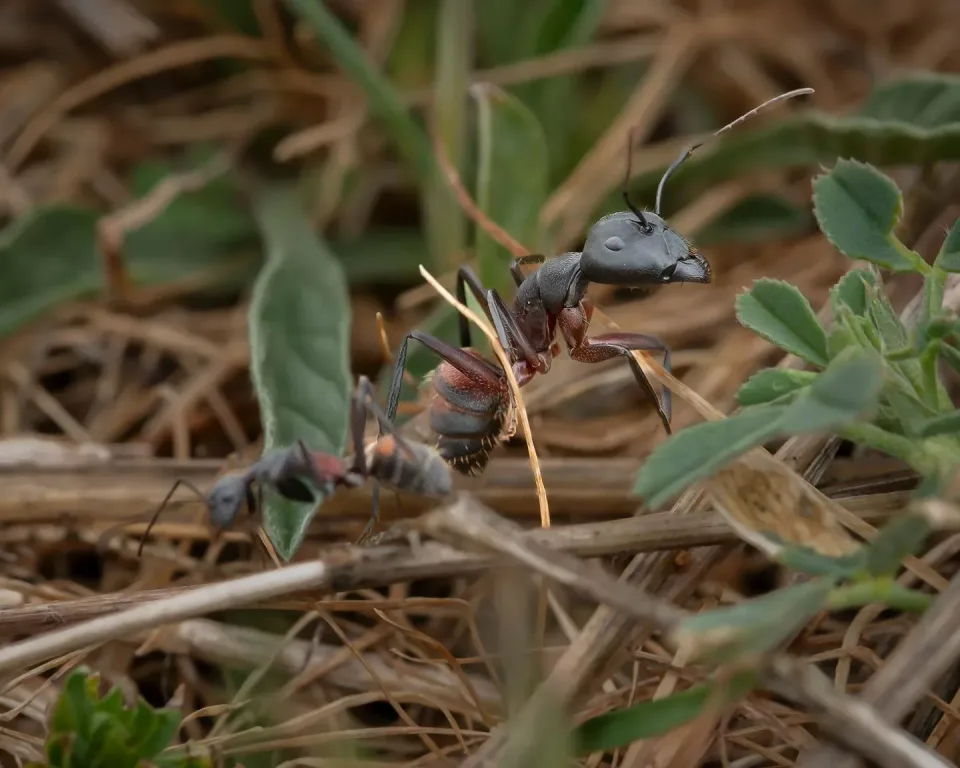
Ant trails around the sink and pantry mean scouts have found food and are leading the colony to it. Wiping the trail only removes the scent line; the colony stays. Follow the trail to where ants enter the wall or window frame, then have the nest location treated.
Cockroaches appearing after lights turn on is a sign the population has grown large enough to run out of hiding room. Roaches prefer dark, damp spots near water lines and appliances. Seeing them in the open at night usually means treatment is needed, not just cleanup.
Through the year
Spring
As lake-moderated temperatures rise, ants and overwintering insects wake up and start foraging. Spring treatments catch colonies early, before trails reach kitchens and nests expand around eaves and trees. Booking an inspection in spring also surfaces termite activity that winter hiding kept out of sight.
Summer
Warm months bring mosquitoes and wasps to yards, decks, and tree branches around the lake. Nests built low on branches become a real hazard for kids and pets. Summer service targets nesting sites and breeding water sources so outdoor time stays usable through the peak of the season.
Fall
Sealing and treating entry points in fall costs far less than fighting an indoor population in January. A fall visit also documents any termite tubes before snow hides the foundation.
Winter
Winter is when scratching in ceilings and droppings behind appliances get noticed.
Before you hire
Pesticide work in Illinois requires a commercial pesticide applicator license through the Department of Agriculture.
A provider should confirm the pest species before selecting treatment. If a company quotes a price over the phone without inspecting, you may pay for the wrong product. Species identification drives product choice, placement, and how many visits the job actually needs.
Some jobs are one-time treatments and others are recurring plans. Ask how long the agreement runs, what happens if you need to reschedule, and how follow-up visits are handled, so the terms match the pest problem you actually have.
Call to talk through your job in Winthrop Harbor.
11+
Years serving Winthrop Harbor
181
Areas served
Straight answers for customers in Winthrop Harbor on pricing, delivery, and scheduling.
Yes. We cover every address in the 60096 ZIP code, including the Tobin and State Line neighborhoods, lake-area cottages near the shoreline, and newer subdivision homes. Dispatch runs through our Illinois routing hub, so scheduling stays predictable and local.
Most termite treatments run $500–$2,500 depending on infestation extent and treatment method, while a termite inspection typically costs $75–$200 based on property size and inspection scope. Final quotes vary by service scope, infestation, property access, and site conditions. We confirm pricing after inspecting the structure, never before.
Clear access to the attic and crawlspace, empty cabinets in the rooms being treated, secure pets during application, and follow the re-entry interval printed on the product label. Your technician confirms each step with you the day before the appointment.
Often, yes. One inspection can turn up mouse droppings behind kitchen appliances alongside ant trails near the sink, and we build a single plan covering exclusion, baiting, and follow-up monitoring rather than selling two separate programs. Call (855) 681-0299 to book the inspection.
Pest Control covers every ZIP code in Winthrop Harbor, IL.
Illinois Pest Pros
"Practical Pest Control Across Illinois"
I started in pest control working in homes and businesses around Oak Brook, where I learned how basements, older wood framing, and changing Midwest seasons shape pest problems. I built this company to bring careful inspections and clear treatment plans to customers throughout Illinois, from termite and rodent issues to seasonal mosquitoes and wasps.
Share job details below or call our team directly. Phone: (855) 681-0299
Pest Control is also available in these nearby communities.